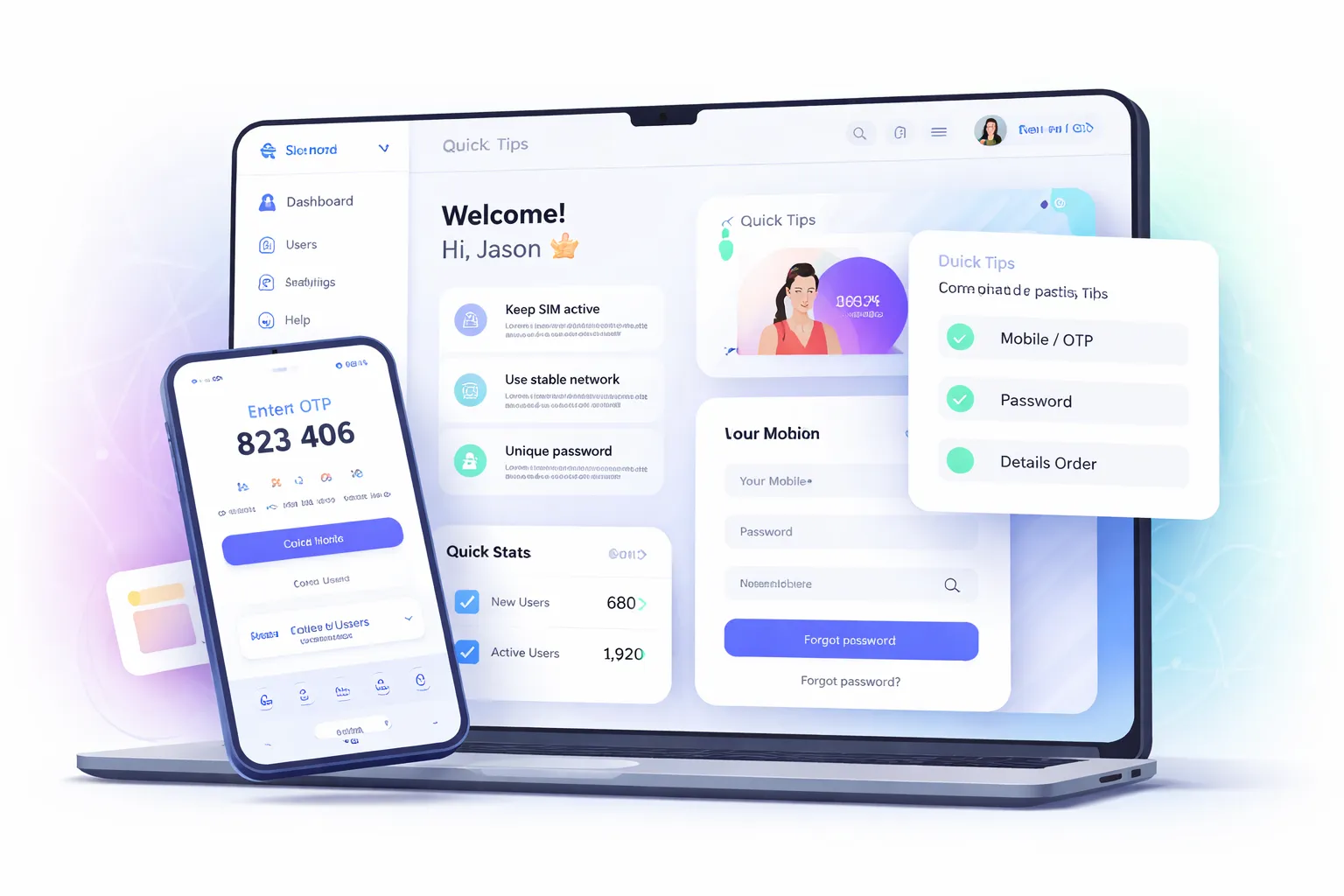
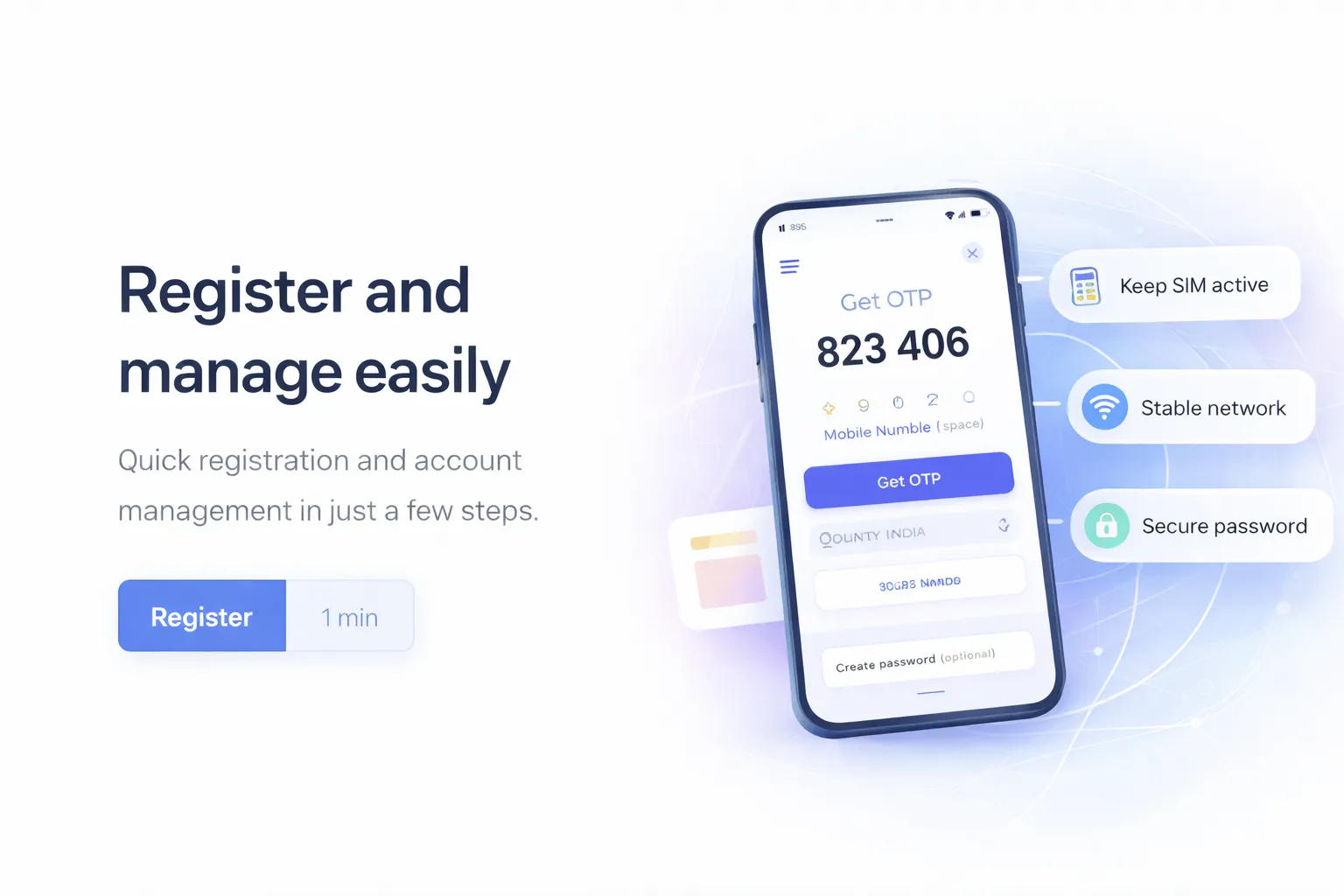
Start Your Wingo Register Journey
Welcome to Wingo Register on wingoregister.com. If you searched for “Wingo Register”, you are likely trying to create an account, verify your details, and access the platform smoothly. This website is designed as a clean, step-by-step registration guide for users in India. You will find clear sections for account creation, verification, troubleshooting, and safe usage habits so that you can complete your registration without confusion.
Registration usually works best when you prepare a few basics in advance: a working mobile number, access to SMS/OTP, a stable internet connection, and the ability to set a strong password. In many cases, small details (such as the phone number format, temporary network drops, or repeated OTP attempts) are what block users. This hub is structured to prevent those avoidable issues and help you finish the process confidently.
Quick Actions
- Register Guide — Step-by-step signup and verification flow.
- Download — Device readiness checklist and download instructions.
- Plans — Examples of plan formats and what details are required.
- FAQ — OTP, login, password reset, and common fixes.
- Contact — Reach out if you are stuck.
What You Should Prepare Before Registering
Most users can finish registration in a few minutes when the essentials are ready. The checklist below highlights the most common requirements and the practical reason each item matters. Keep it nearby while you register.
| Item | Why it matters | Practical tip |
|---|---|---|
| Mobile number (India) | Used for OTP verification and account recovery. | Keep the SIM active and ensure you can receive SMS instantly. |
| Device readiness | Older devices may struggle with security prompts or app updates. | Update OS, clear storage space, and restart before registering. |
| Stable network | OTP delivery and verification require consistent connectivity. | Prefer Wi-Fi or a stable 4G/5G signal; avoid switching networks mid-flow. |
| Strong password | Protects the account from credential stuffing and reuse attacks. | Use 12+ characters with a mix of letters, numbers, and symbols. |
| Basic identity details | Required if the platform asks for profile completion. | Ensure spelling matches your documents, especially for verification steps. |
Registration Flow Overview
While the exact screens can vary by device and version, the registration flow usually follows a predictable sequence: open the registration entry point, submit a mobile number, confirm OTP, set credentials, and complete profile details. Users typically run into problems at the OTP step or when they attempt multiple requests too quickly. The better approach is to proceed patiently, avoid duplicate taps, and confirm each screen loads fully before you move forward.
In practical terms, a clean flow looks like this: (1) open signup, (2) enter number with the correct format, (3) request OTP once, (4) wait for the OTP message, (5) type the OTP carefully, (6) create a password, (7) finalize profile fields, and (8) confirm success. If you reach a screen that indicates verification is pending, remain on the same network and wait rather than restarting repeatedly.
Common Problems and Fast Fixes
Most issues have simple root causes. If your OTP is late, it is often a network delay or an SMS filtering setting. If you cannot log in after registration, it is typically a password mismatch or a blocked session. If a screen keeps loading, the app/browser may have cached an outdated session token. The solutions below address those scenarios quickly.
- OTP not received: wait 60–120 seconds; confirm SMS inbox, spam, and message blocking settings; avoid requesting multiple OTPs back-to-back.
- Invalid OTP: ensure you entered the latest OTP; do not reuse an older OTP; avoid extra spaces or auto-fill errors.
- Login fails: use “Forgot password” if needed; verify caps lock; confirm you are on the correct language path.
- Page/app stuck: refresh once; clear browser cache or app cache; restart device; switch between Wi-Fi and mobile data only after you exit and reopen.
Why This Site Uses Two Paths: / and /hi/
Some users prefer English instructions, while others prefer Hindi guidance. This website provides two parallel paths: English content on / and Hindi content on /hi/. Both paths keep the same page structure so you can switch languages without losing your place in the flow. Use the language switcher in the top navigation to move between EN and HI versions of the same page.
Account Safety Essentials
Registration is not just about creating a profile—it is also the best time to set up a secure baseline. Use a password you do not reuse on other services. If the platform provides account recovery options, set them immediately. If you share your device, use a screen lock and avoid saving passwords in public browsers. These small choices reduce the risk of account loss and help you stay in control of your registration and login sessions.
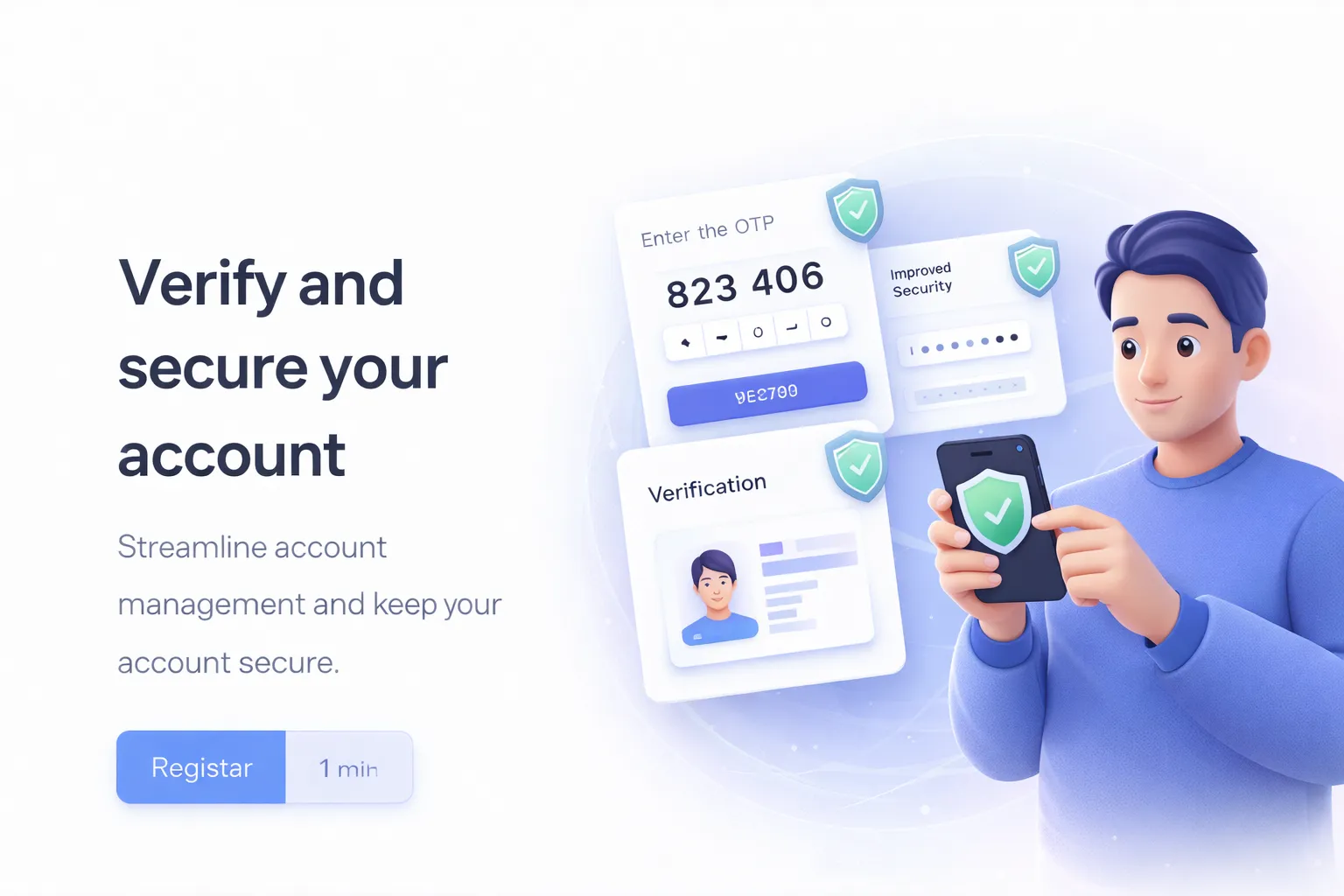
Also, keep in mind that OTP and verification prompts are meant to protect you. Avoid sharing OTP codes with anyone. If you receive an OTP you did not request, treat it as a warning sign: someone may have typed your number elsewhere. In that case, do not share the code, and consider resetting your password if you believe any account session could be affected.
What You Will Find on Each Page
- Register Guide: a complete step sequence, recommended order, and a troubleshooting section for OTP and verification.
- Plans: a simple table-style overview of plan formats and which details are typically requested at signup.
- Download: device readiness checklist, supported environment notes, and a comparison table for common setups.
- FAQ: quick answers for the most searched “Wingo Register” issues.
- Contact: a structured form layout for reporting a registration block.
Next Step
If you are ready, open the Register Guide and follow the steps in order. If you are already stuck, go directly to the FAQ for quick fixes. If your device needs preparation, visit Download for a clean checklist.
Note: This site is a guided registration hub for users searching “Wingo Register.” For official access or account actions, use the platform’s own registration and verification screens.
Detailed Registration Guidance (Expanded)
When you begin registration, take a moment to confirm that your environment is stable. A surprising number of failed signups come from rushed attempts on unstable networks or devices that are low on storage. If your browser is overloaded with extensions or your phone has aggressive battery optimization enabled, critical steps such as OTP retrieval and verification screens can become unreliable. The simplest method is to close unnecessary apps, disable extreme data-saving modes temporarily, and keep the registration window open until you see a confirmation of success.
During the mobile number step, accuracy matters more than speed. Enter the number carefully, verify the digits, and confirm you selected the intended country code if applicable. If you use dual SIM, ensure the correct SIM is active for SMS reception. Some devices route SMS differently depending on SIM priority. If you switch SIM settings mid-registration, the OTP could go to a different inbox than you expect. A stable SIM configuration is an underrated but highly effective way to avoid OTP confusion.
At the OTP stage, aim for a single clean attempt. Request the code once, wait, and enter the latest code you receive. If you request multiple OTPs quickly, you can invalidate earlier codes and create unnecessary errors. If you suspect delays, keep the registration screen visible, avoid closing the app, and wait for up to two minutes. If nothing arrives, check whether your message app is filtering unknown senders, and verify that the inbox has space. In rare cases, users have disabled notifications for SMS apps, causing them to miss time-sensitive codes even though the message arrived.
Once you set a password, treat it as your long-term key. Avoid short passwords or patterns you reuse. A strong password is not about complexity alone; it is about uniqueness. Use a passphrase you can remember but that others cannot guess. If you save the password, save it in a trusted password manager rather than a shared browser profile. After a successful registration, log out and log back in once to confirm that the credentials are correct. This “sanity check” prevents future confusion and helps you spot typos early.
Profile completion is where many users hesitate. If you see optional fields, fill what you can accurately and skip what you cannot confirm immediately. If the platform asks for identity or verification steps, follow the on-screen prompts carefully. Do not submit low-quality images if uploads are required; unclear images can trigger repeated verification loops. Instead, use good lighting and stable focus. If you are uploading any documents, remove glare and ensure that text is readable. A clean upload reduces delays and prevents repeated rejections.
Finally, keep your session consistent. If you begin registration on one device and attempt to finish on another, you might trigger security checks that slow you down. The fastest method is to complete the flow on the same device, on the same network, in one continuous session. If you must switch devices, do it after you fully complete registration and you can log in successfully. That approach reduces the chance of partial states and confusing “pending verification” messages.
